BIBLIOGRAPHY PART THREE
P. 127 - 153: Part Three, BEGINNINGS
This section does not take place in the form of vignettes, there is just one section for Charity, and one for Sylvia.
These are entirely based on the research done into their childhoods and youth by Rachel Hope Cleves in her book Charity and Sylvia, and it would’ve been impossible to express their experiences without her work on the subject. Her writing on their childhood, teenagehood and early adulthood spans the first nine chapters of Charity and Sylvia, all of which are referenced in this section.
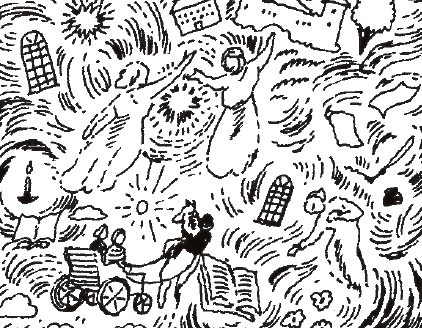
Nearly everything in Part Three is true. The only exceptions are places where I was expressing details that could not be possibly known 200 years later, such as how things felt.
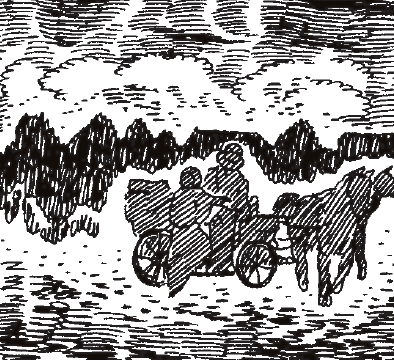
More is known about Charity’s childhood compared to Sylvia’s, and because of this Sylvia’s section has more fabrication. The mention of the three things happening to her when she was five is imagined. I have no direct evidence for how Sylvia came to be religious, and I found it fun to imagine how it could’ve come about. But the rest of her section, like Charity’s, is full of truth. Her Father really did die on the sleigh ride to Vermont. Charity really did turn away from caring for her orphaned niece and nephew.
Hannah Davis Leighton
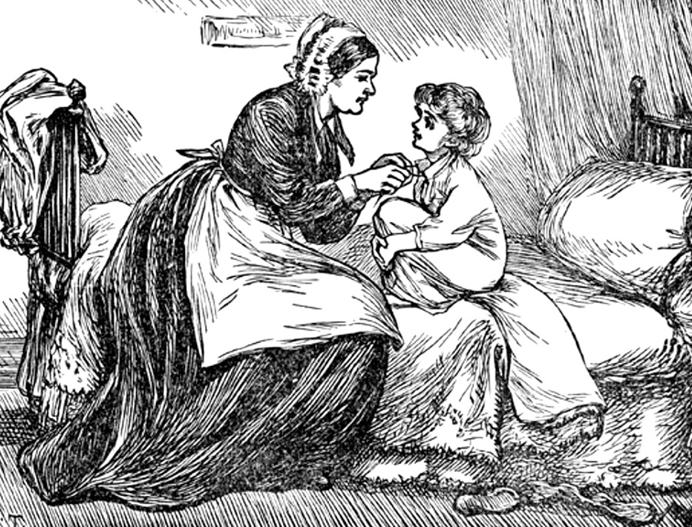

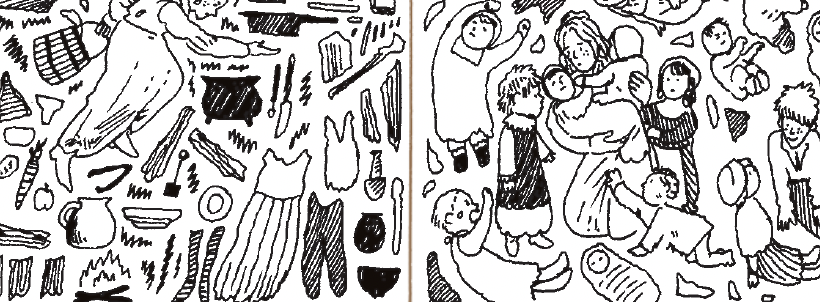
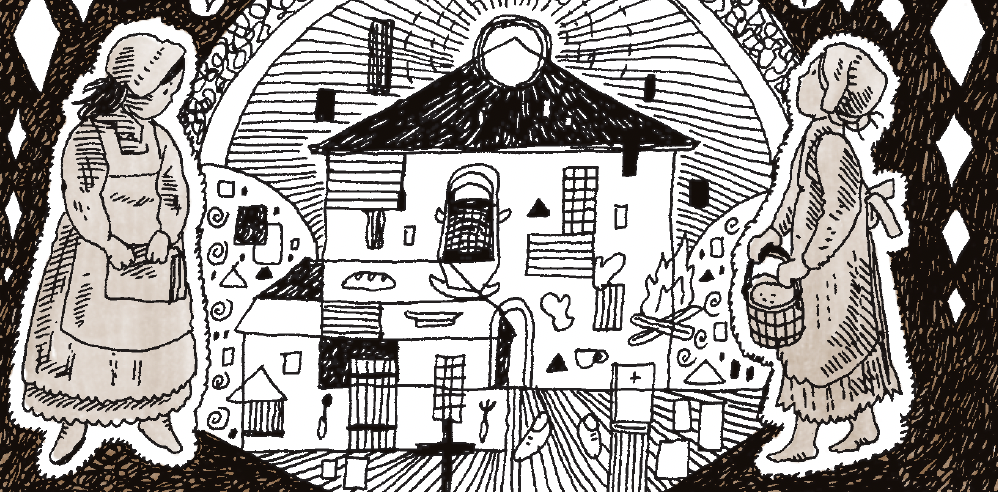
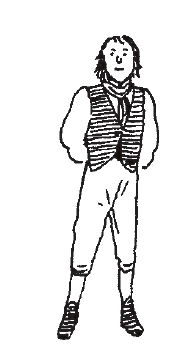
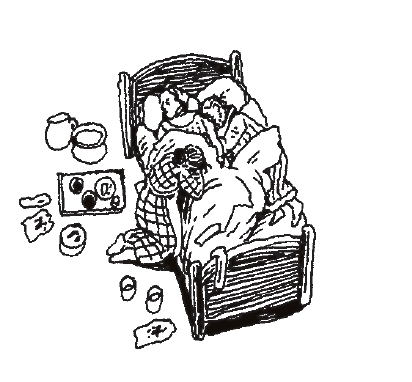
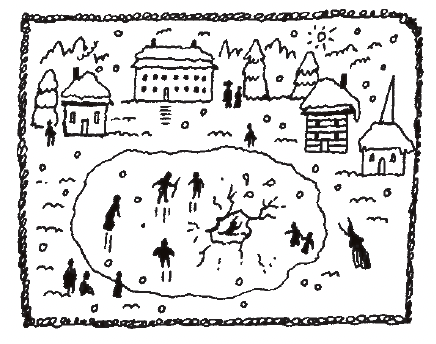
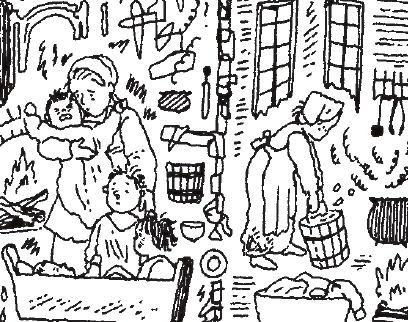
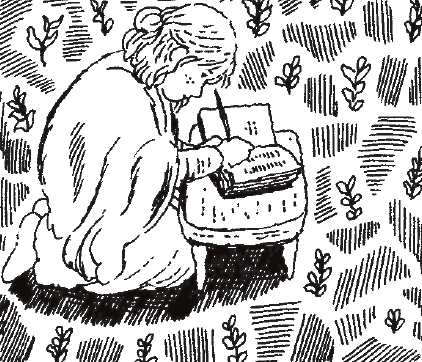
Visually, this section stands out. There is no tone, no gutters, and no dialogue. This is the only section in the book that has formal narration, which I was hesitant to use at first. Narration is often overused in comics, especially nonfiction comics, but I felt it’s use was earned if I used it for a short period of time and focused on making it effective and direct, not verbose and syrupy.
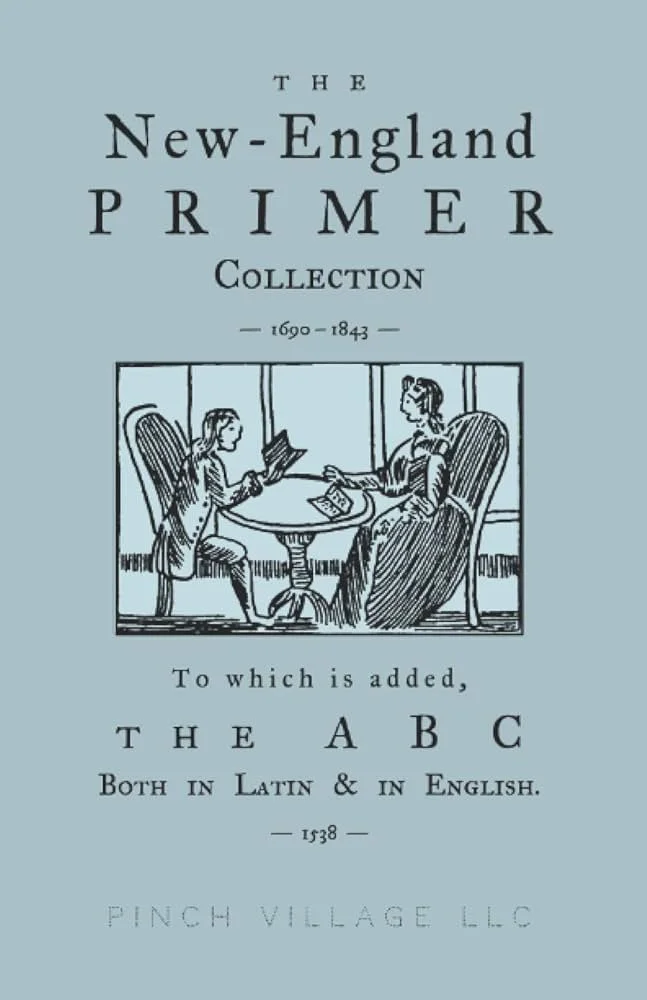
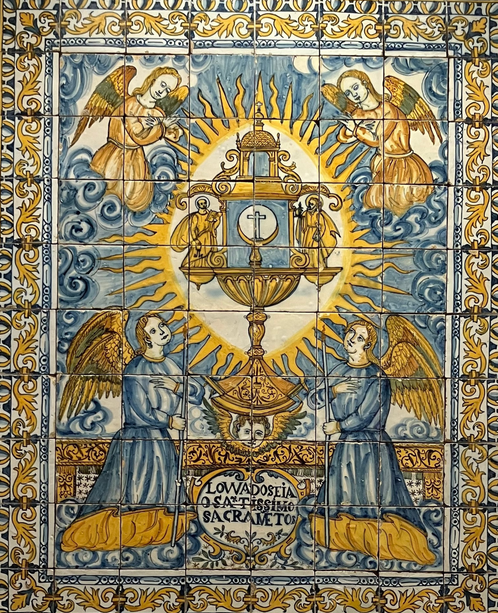
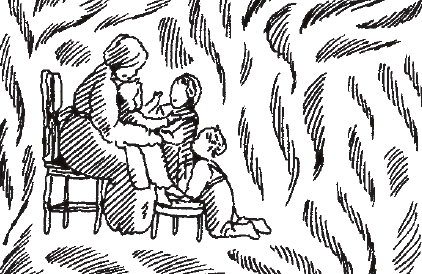
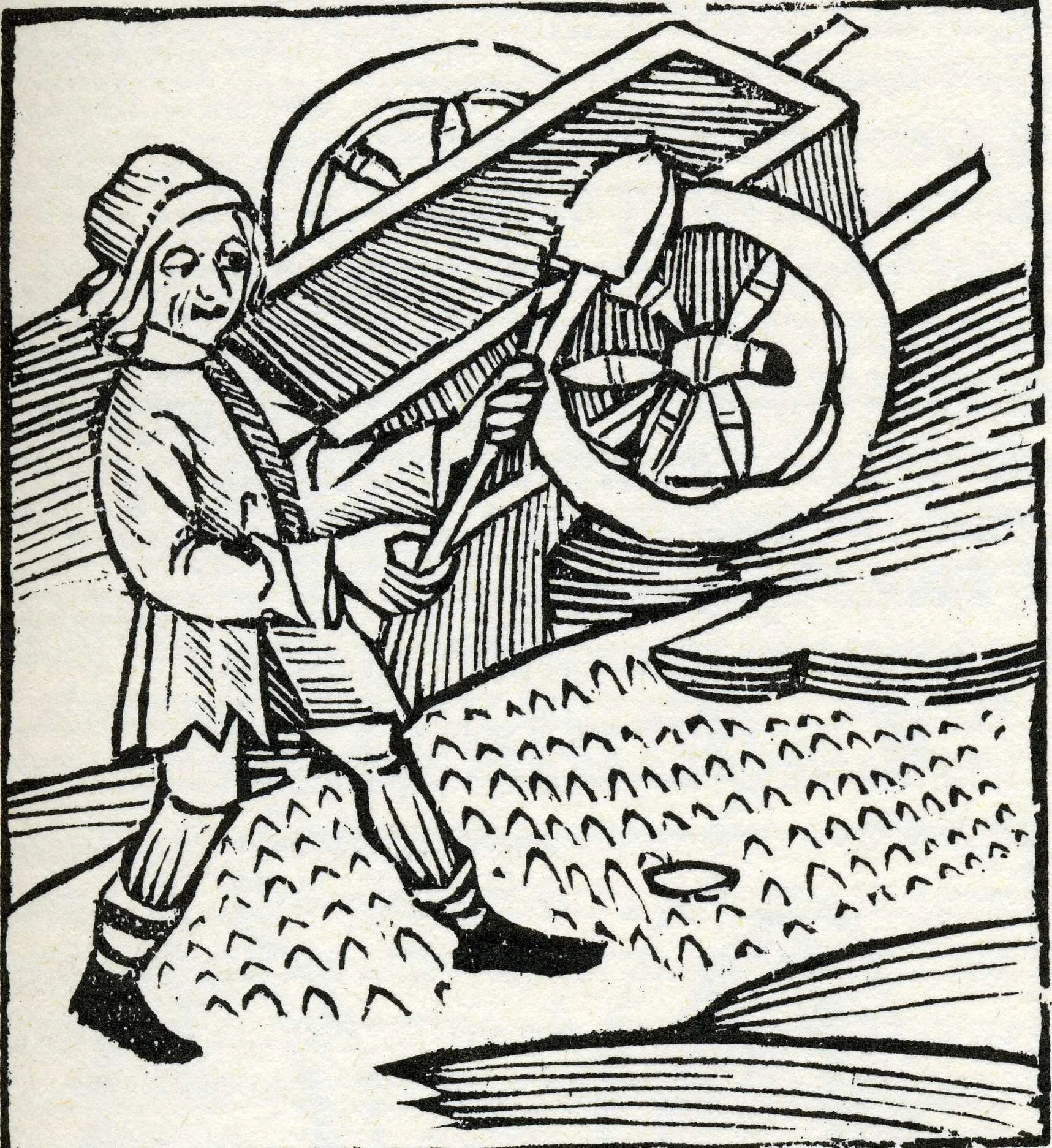
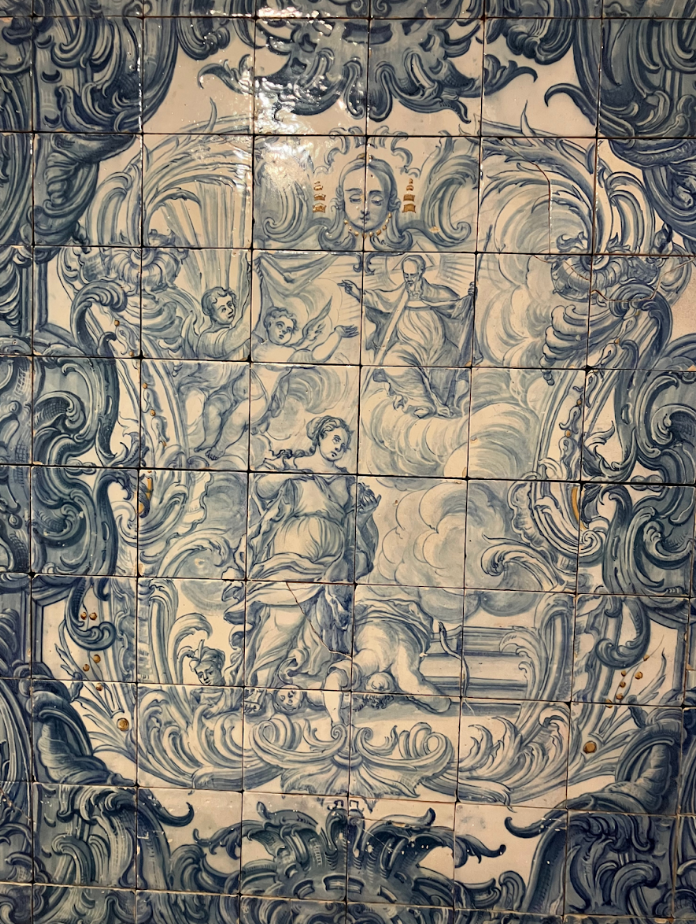
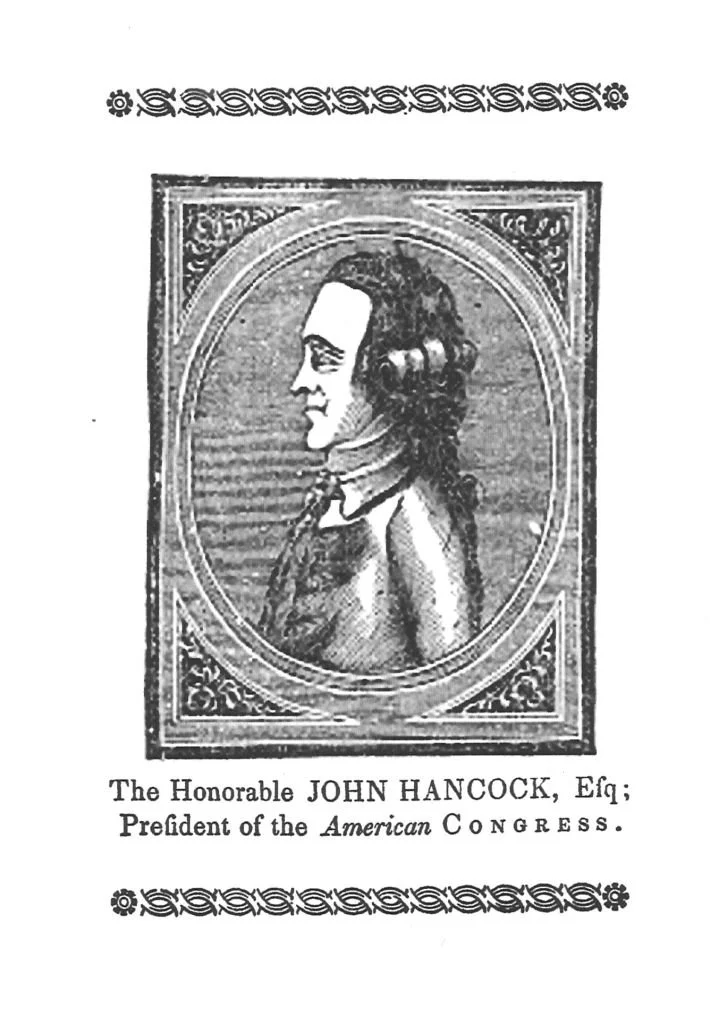
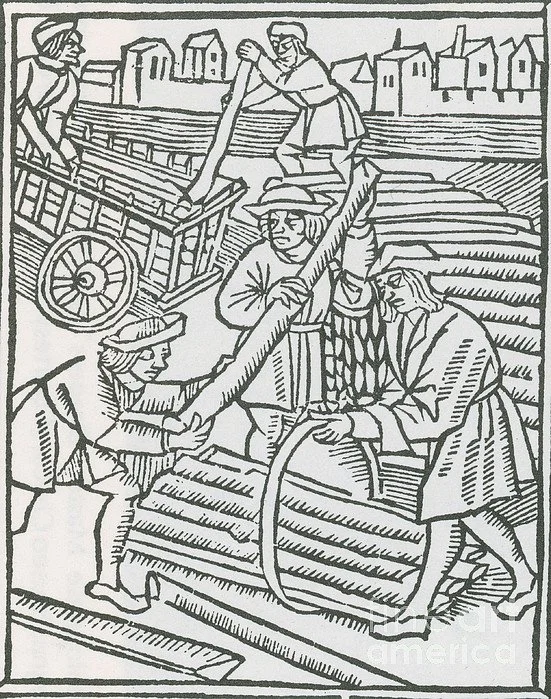
I took a lot of inspiration for the visuals from the illustration style of pen and ink drawings and engravings from a large timeline - 1500s to 1800s. I loved to stumble across a simple black and white drawing that had that great tilt to it. There is also so much use of decorative borders and patterns in historical print. Another source of visual inspiration was the Tile Museum in Lisbon, Portugal. I took a lot of photos, and came home excited to incorporate them into the book.
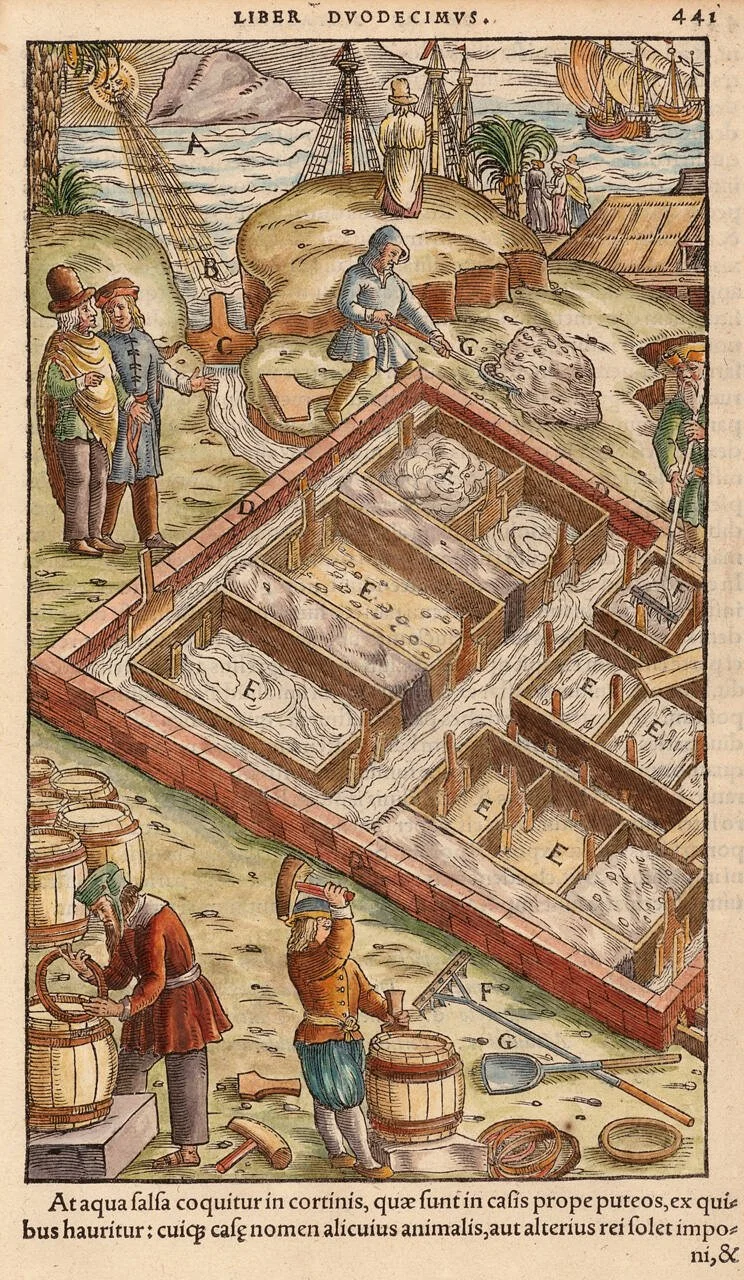
Georgius Agricola
There is much to read about childhood in early America if it interests you. Some starting points can be found here. There is an interesting book by Anne Mae Dunn, as well as writing by the VT historical society on child labor in Vermont.